Read #Book of Abstracts, #Watch Live streaming of Conference (Via #SUA MEDIA)

Recent Posts
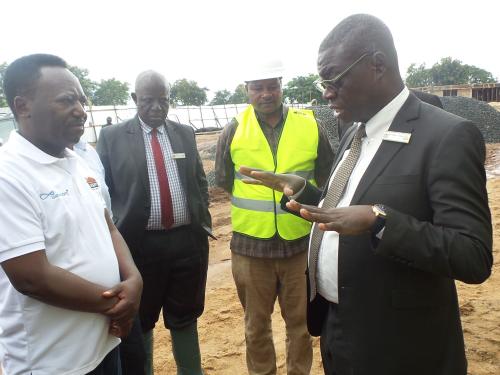
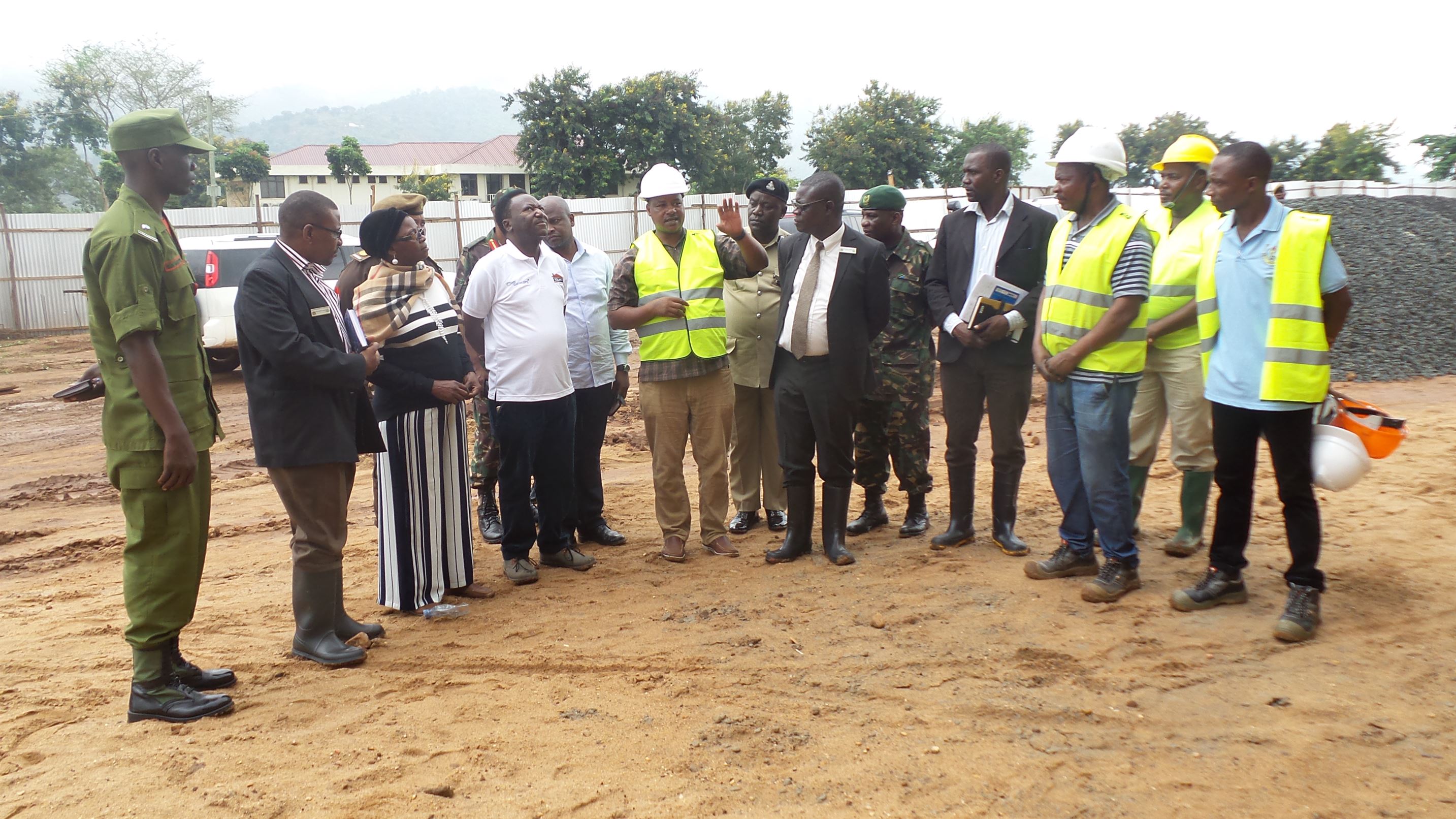
During his visit, Mr. Tandari was able to meet SUA Management team and got a chance to see progress and developments made in various project and activities such as New SUA Multipurpose Laboratory building construction site at SUA Main Campus.
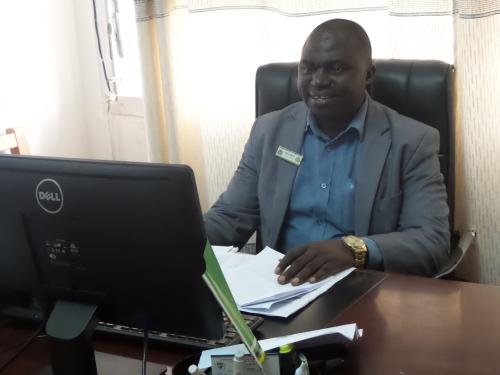
Prof. Maulid W. Mwatawala has been appointed as Principal, College of Agriculture and Dr. Samwel J. Kabote has been appointed as Principal, College of Social Science and Humanities.
All appointments are for three years from 29th March 2019 up to 28th March, 2022. Before these appointments both were acting in the position.
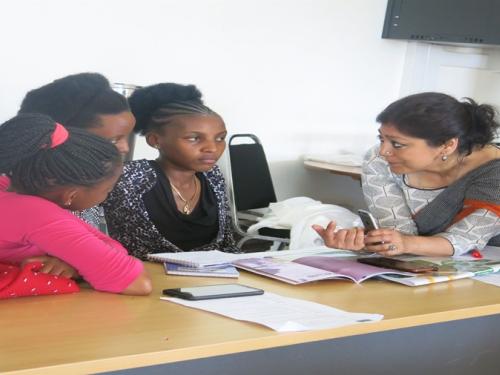
The facilitator of this training was Ms. Nandita Bhatt, who is the Director of Martha Farrell Foundation. The training aimed at building common understanding on the issue, Building skills in conducting sessions on the issue using participatory training methodologies and Time bound realistic planning for implementation of policies. In particular for this workshop is regarding to sexual harassment issues at SUA Campuses.
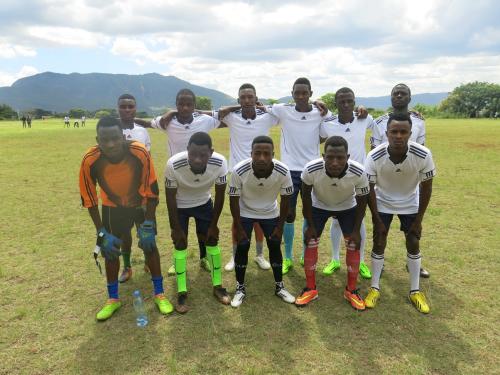
The aim of tournament is to bring together all students and to maintain their health through sports and games which at the end will helps in improving their academic performances.
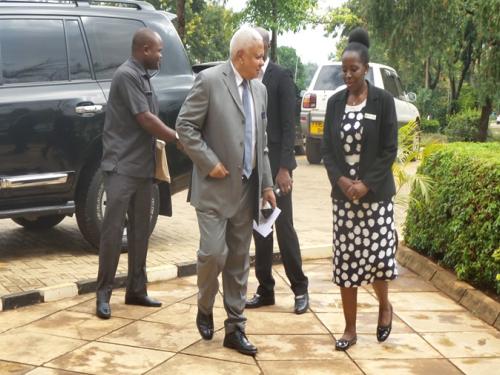
The Meeting was also attended by the University of Dar es Salaam Vice Chancellor Prof. William Anangisye and other representatives from the Ministry of Finance and Planning, Ministry of Agriculture and representative from Revolutionary Government of Zanzibar.
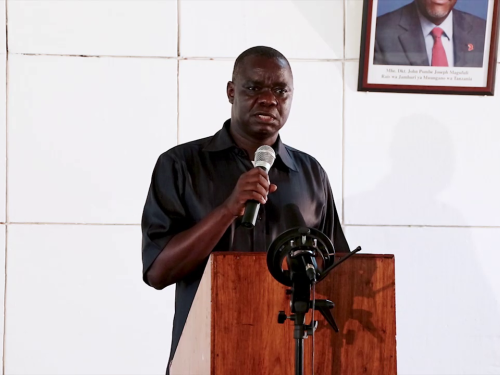 On Wednesday, March 20, 2019, Prof. Sebastian W. Chenyambuga from the Department of Animal, Aquaculture and Range Sciences of Sokoine University of Agriculture (SUA) successfully delivered his Professorial Inaugural Lecture titled “Development of sustainable Nile Tilapia (Oreochromis Niloticus) culture for improved food security and poverty reduction”
 The council,Management and the entire community of the Sokoine University of Agriculture (SUA) would like to sincerely congratulate Prof. Donald Gregory Mpanduji for being appointed as the Deputy Vice Chancellor - Planning, Finance and administration of the University of Dodoma for the period of four (4) years from 15th March 2019. Prior to his appointment, Prof. Mpanduji has been serving as the Principal, College of Veterinary Medicine and Biomedical Sciences at SUA
 The Sokoine Memorial week 2019 is scheduled to take place from 9th to 12th April, 2019 at the main campus of Sokoine University of Agriculture (SUA) in Morogoro, Tanzania. The theme for this year is “Agricultural productivity and Industrialization for Tanzania’s Development: Lessons from Edward Moringe Sokoine and Prospects for the Future”.
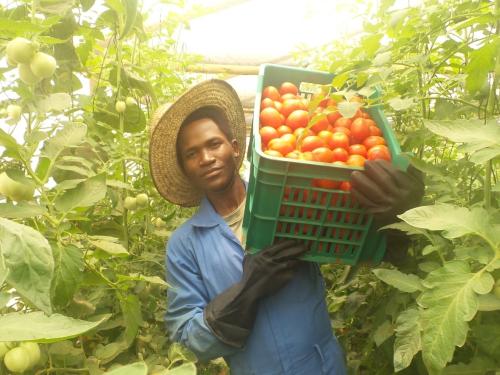 On July 2018, The Private Agricultural Sector Support (PASS) and Sokoine University of Agriculture (SUA) agreed to work together to support and facilitate the establishment of agricultural startups projects for graduate from SUA through special training and experimental programming (incubators) with aims at providing more experience to these young entrepreneurs.
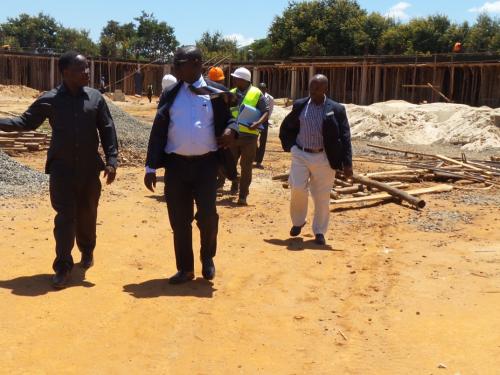 At the end of financial year 2017/18, Sokoine University of Agriculture started to implement the construction of new multipurpose laboratory building project at Main campus which has a capacity of accommodating more than 600 students at once as part of its efforts to solve the challenge of limited teaching labs at the University. The project is funded by the Government of Tanzania.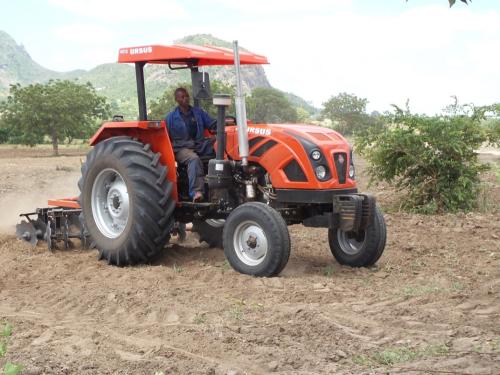
On 11th August 2018 the University received all 10 tractors in the event held at TAMCO Industrial Estate, Kibaha District, Coast Region. Since its arrivals at the university, the tractors have been in use as expected. The image above shows one of the tractors in action at Solomon Mahlangu Campus farm.
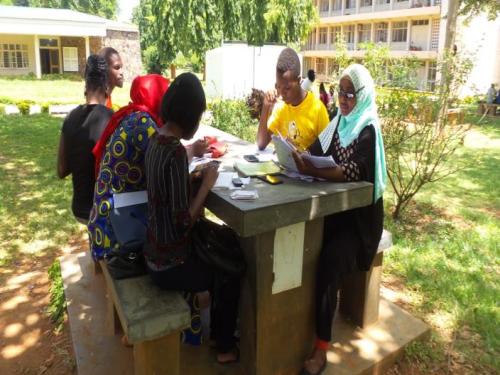 Undergraduate Students of Sokoine University (SUA) are currently doing their end of Semester Exams which commenced on 4th March, 2019. The exams are expected to end on Monday 18th March, 2019.
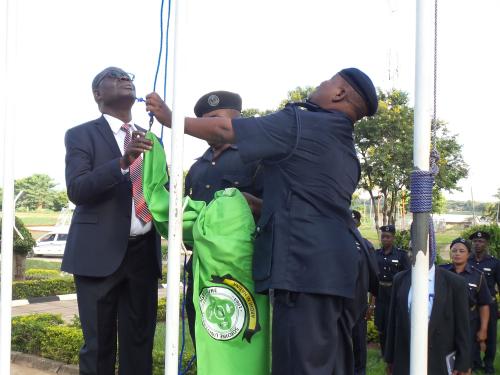 Siku ya Jumatatu, tarehe 31/12/2018 mbele ya jengo kuu la Utawala katika eneo rasmi la Bendera hapa Kampasi Kuu ya Chuo Kikuu Cha Sokoine Cha Kilimo (SUA) kulifanyika hafla fupi ya kupandishwa rasmi kwa Bendera yetu ya Chuo ambapo Mgeni rasmi katika Hafla hiyo alikuwa ni Makamu wa Mkuu wa Chuo Prof. Raphael T. Chibunda.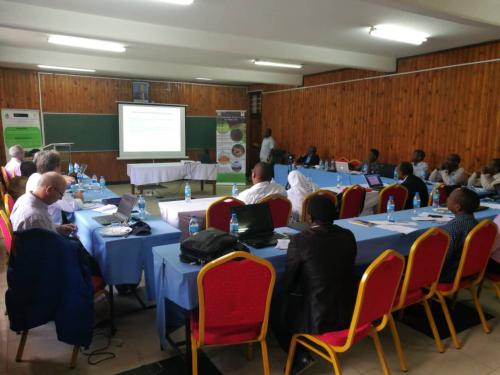
On 6th December 2018, the project organized its second Annual Conference, which was held in Vocational Education and Training Authority (VETA) Conference Hall located in Iringa Region.
The aim of this conference was to share research results from the project in order to get comments and constructive criticisms from stakeholders.
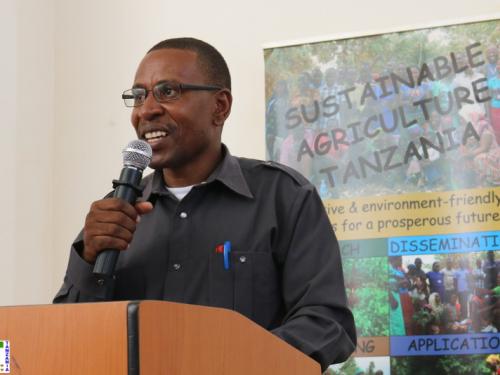
This appointment follows the end of the four years leadership term for Prof. Yonika M. Ngaga who was the Deputy Vice Chancellors (A&F) of Sokoine University of Agriculture since 2014. Prior to this appointment, Prof. Kahimba was the Principal of College of Agriculture also at the Sokoine University of Agriculture.
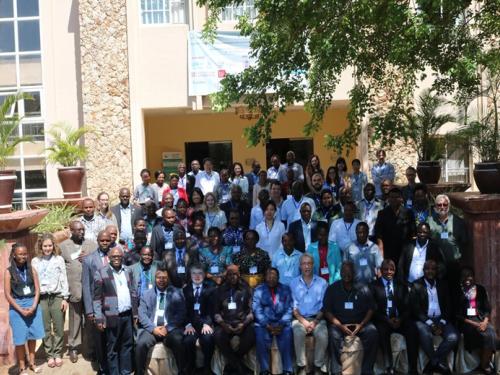
The Development Corridors Partnership (DCP) Project in Tanzania will build capacity to address concerns about development corridors by encouraging scientific collaboration and stakeholder engagement in key issues of corridor planning and management. This will include applying the best tools and analyses (and developing new ones if necessary), and communicating recommendations to all stakeholders more effectively.
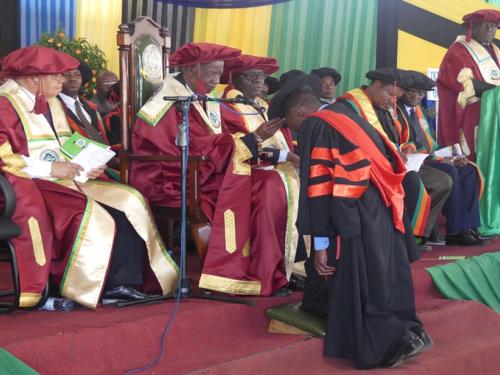
The Audience saw graduates from the College of Agriculture (CoA), College of Veterinary Medicine and Biomedical Sciences (CVMBS), College of Forestry, Wildlife and Tourism (CFWT), College of Social Sciences and Humanities (CSSH), Solomon Mahlangu College of Science and Education (SMCoSE), School of Agricultural Economics and Business Studies (SAEBS),Sokoine National Agricultural Library (SNAL) and The Centre for Information and Communication Technologies (CICT) receiving their degree certificates – conferred by
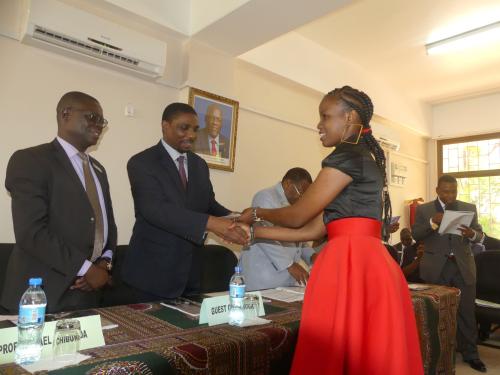
The event was officiated by Paymaster General and Permanent Secretary in the ministry of Finance and Planning Mr. Doto M. James and he was the one who presented certificates, academic prizes and trophy to all awardees
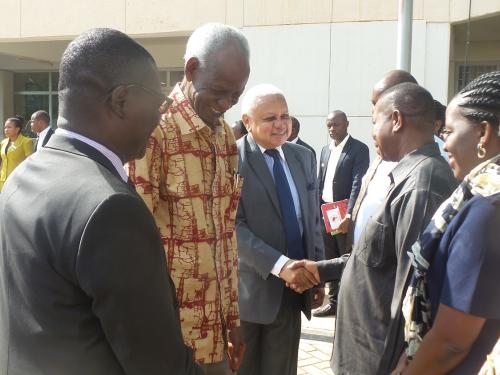
In the trip which was accompanied by the Chairman of the Sokoine University of Agriculture Council, Chief Justice (retired) Mohamed Chande Othman, Hon. Warioba met with Researchers, Academicians, Students and many other members of the Sokoine University of Agriculture community.
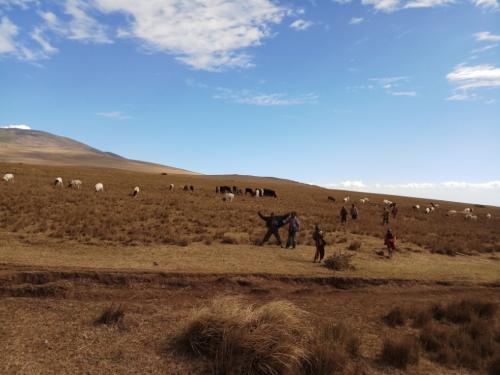
The interaction goes beyond conventional thinking about conservation of natural resources. This article was inspired by the visit of Sokoine University of Agriculture (SUA) in September 2018 at Ngorongoro Conservation Area Authority (NCAA), which aimed at strengthening collaboration among the two organizations on outreach activities.
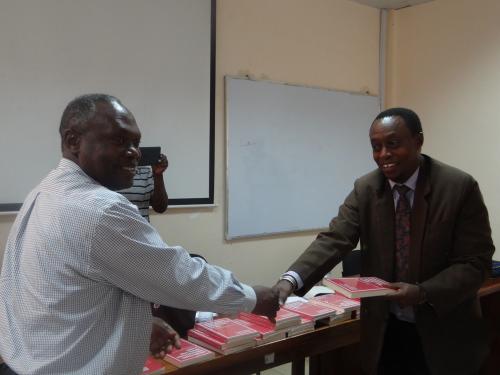
This book will be used by Agricultural extension workers, Researchers, Managers, Teachers and Students in degree/diploma courses at Universities and Agricultural Training Institutes, Teachers of Agriculture/natural sciences in sec schools, Political leaders and farmers.
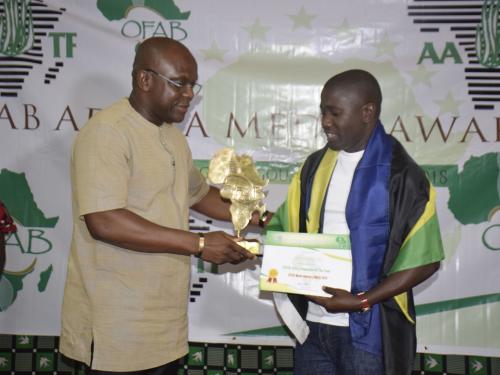
The Awards, which took place in Ouagadougou, capital town of Burkina Faso on 14th September 2018 saw Mr Gwabara winning the Television category before emerging the OFAB 2018 Journalist of the Year.
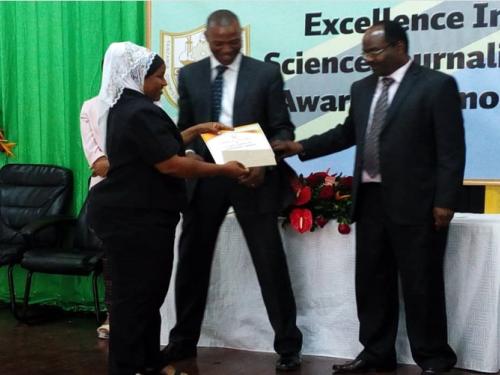
The aim of the awards is to encourage excellence in science journalism and recognize the outstanding works in Science, Technology and Innovation specifically in promoting research outputs dissemination, which is one of the COSTECH core activities.
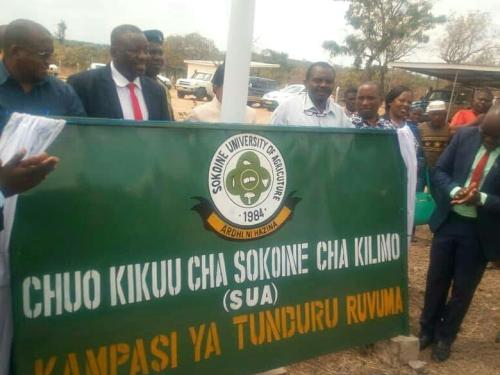
The Campus covering an area of about 9 hectares has a total of 11 buildings two of which will serve as student Hostels expected to accommodate about 200 students. Four buildings shall serve as staff houses while the remaining buildings will be used as classrooms and staff offices.
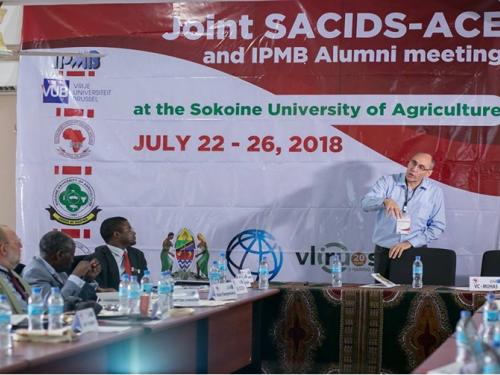 The video captured the meeting proceedings, training on molecular biology techniques and social event that was co-organized by SACIDS-ACE and IPMB from 22 July – 03 Aug 2018.
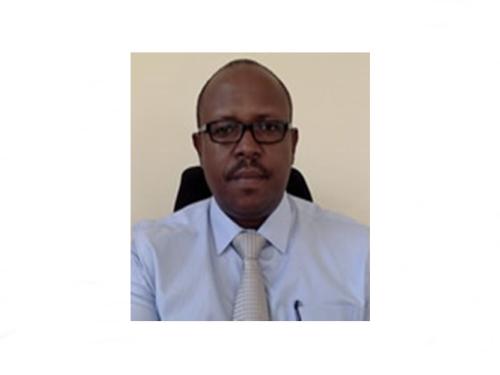 Jonathan is on leave from Sokoine University of Agriculture where he works as a Senior Lecturer at the College of Social Science and Humanities. Dr. Mbwambo holds a BSc. In Horticulture, MSc. In Natural Resources Management and Sustainable Agriculture and a PhD in Development Studies.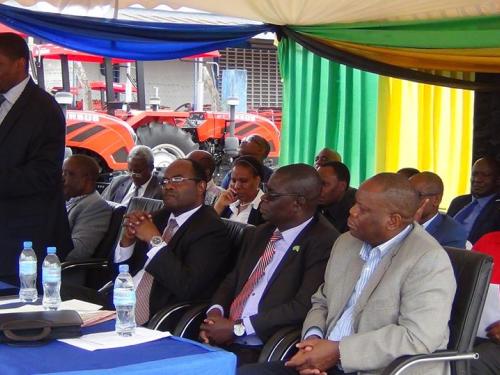
The tractors worth 587.5m/- were handed over to the university yesterday by the Permanent Secretary (PS) in the Ministry of Finance and Planning, Mr Doto James in Kibaha, Coast Region on behalf of the President.
The PS said that the institution has been provided with the tractors as part of the government’s efforts towards transforming agriculture which employs majority of Tanzanians.
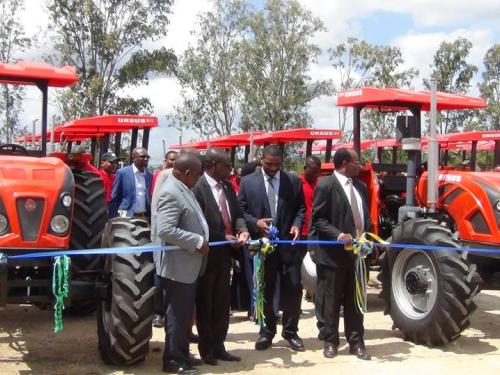 In fulfillment of the promise given by the president of the United Republic of Tanzania Hon. John Pombe Magufuli to the Sokoine University of Agriculture community during his visit on 7th May 2018, Earlier today (11th August 2018) the University has received 10 new tractors in the event held at TAMCO Industrial Estate, Kibaha District, Coast Region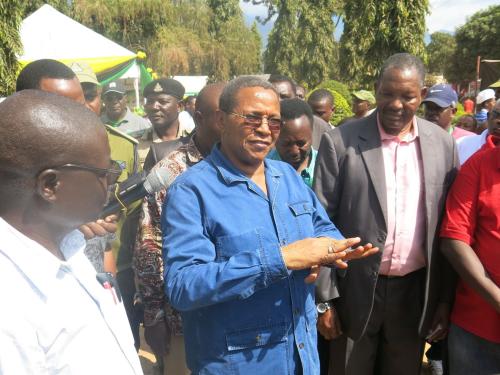
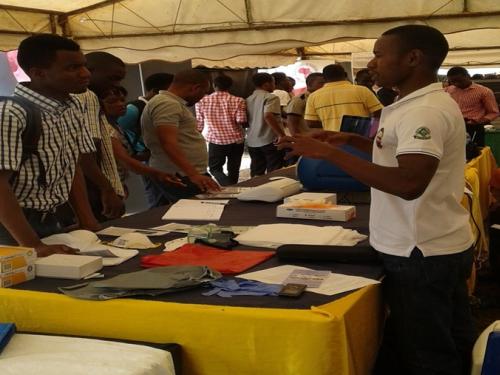
At Sokoine University of Agriculture pavilion a variety of displays including courses and programmes offered at SUA, Research outputs, Technologies, innovations, prototypes, crop demonstration, printed materials on various topics including books, posters, leaflets, brochures are shown.
In Tanzania Nane Nane (the 8th of August each year) is a public holiday whereby the nation celebrates the contribution of agriculture sector to the national economy.
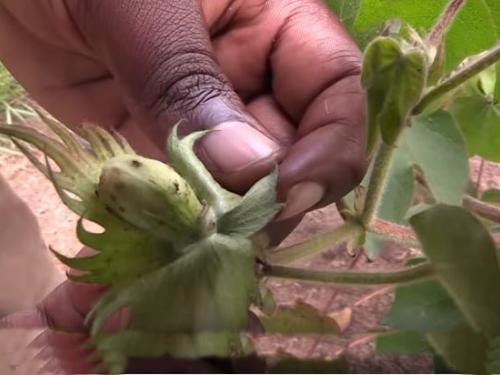 The aim of the fifth phase government under his excellence President Dr. John Pombe Magufuli is to build an Industrialized and middle income country. While addressing the Sokoine university of Agriculture (SUA) community, his excellence President Dr. John Pombe Magufuli insisted on the importance of doing research mainly on cotton plants so as to solve the myth of wearing second hand clothes.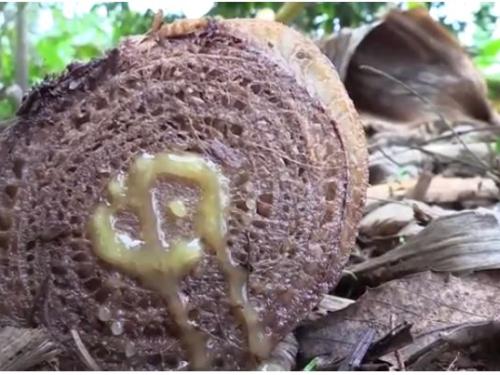
In recent years, we have heard the cry of hunger for Kagera residents for the first time after their banana farms have been attacked by the Dangerous Disease of banana wilt in which the inhabitants of the region call Mnyanjano and others to call Banana AIDS because the disease has no cure as it is with human AIDS and given the fact the first AIDS patient in Tanzania, was discovered from that region.
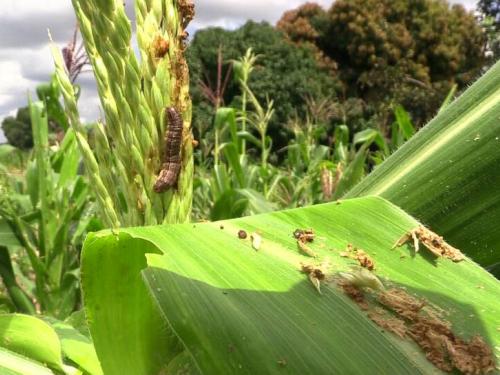
Farmers explain the effects and challenges they face in efforts to rescue the crops;
Pests start from the roots to the leaves, as you spray pesticides in the morning, later you find they have multiplied. We just pick them as the common Fall Armyworms, but these are extreme. For now, they even eat dry cobs. Financially, we are also challenged since the money we get, we buy pesticide, which even don’t help. We spray in the morning and if it rains, the pesticides get washed away. Most of us have been affected by this pest.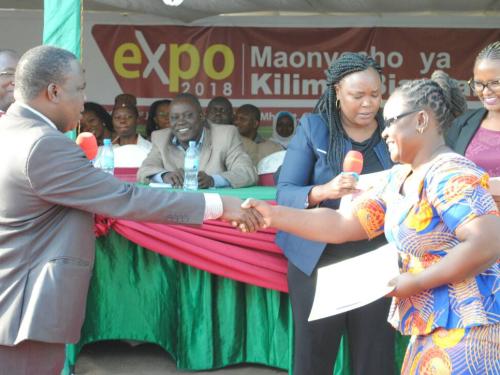
The awards which aimed at celebrating and recognizing journalists who report and create awareness on biofortification and hidden hunger in Tanzania involved participants from all media categories (TV, Radio and Print) whereby winner of each category received prizes in the form of a certificate and monetary term.
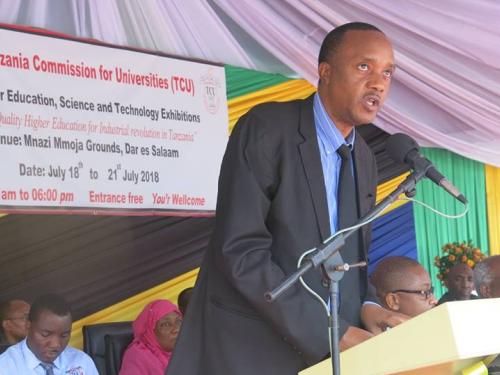
Various visitors including prospective students and researchers got the opportunity to meet exhibitors and staff from SUA and they all received accurate information about the university, academic programmes and courses offered, Research Projects and Technologies developed at Sokoine University of Agriculture.
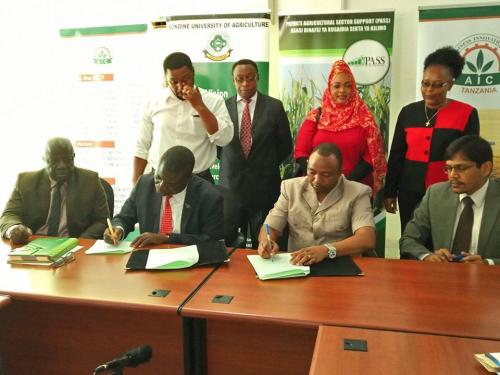
This agreement will enable young entrepreneurs at Sokoine University of Agriculture to acquire capital as well as various resources in specific areas with the aim of preparing them to become entrepreneurs and owner of large scale agricultural projects.
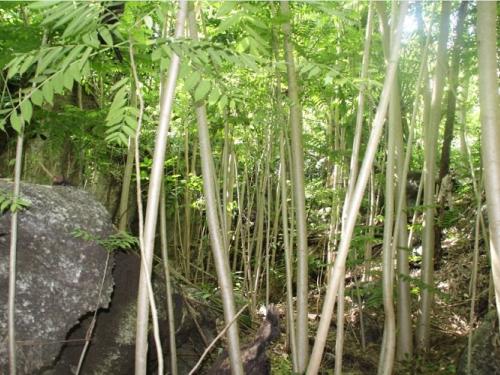
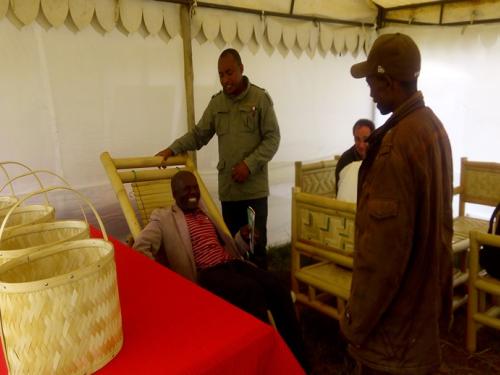 Bamboo has more than 1,500 uses including Furniture making,Wine production,Source of energy,House construction,Fencing,Weaving-trays, mats & basketry and Ornamental use.In some countries bamboo shoots are edible; but bamboo is also a raw material for many stuffs, which can’t be made from other plants.
 Sokoine University of Agriculture (SUA) has opened admission and registration process for the different academic programmes offered in the academic year 2018/2019 where by interested candidates may apply for Certificates, Diploma and Bachelor degrees offered at SUA. Applicants must apply directly to SUA using online admission system which can be accessed at http://www.suasis.sua.ac.tz/index.php/registration
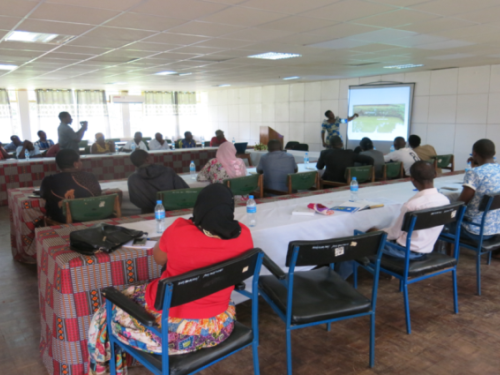 Sokoine University of Agriculture (SUA) has successfully conducted a short course for fish farming entrepreneurs. The training was conducted from 2nd to 5th May, 2018 and involved 30 participants including five female. Twenty two (22) participants came from Morogoro while three participants were from Mwanza. Kigoma, Dodoma, Mara, Arusha and Kilimanjaro each had one participant. The training used theoretical orientation that was conducted at the Institute of Continuing Education (ICE) Conference Hall and practical, which was conducted at Magadu Farm.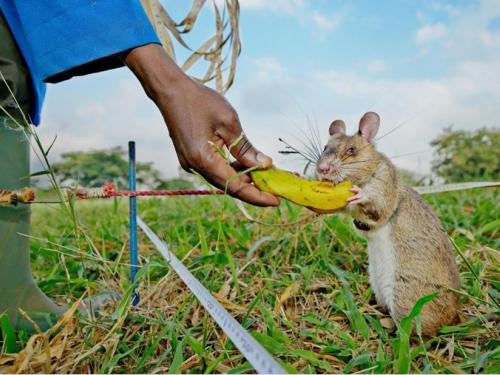
What do land mines and tuberculosis have in common? Both kill people in developing countries — and both can be sniffed out by rodents that grow up to 3 feet, head to tail.
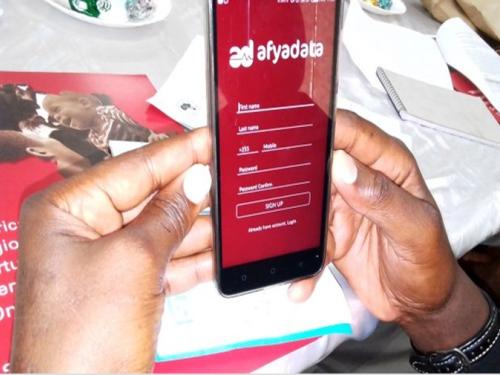 Sokoine University of Agriculture (SUA) through Southern African Centre for Infectious Disease Surveillance (SACIDS) has launched a digital disease surveillance app called #AfyaData (Kiswahili word meaning “Health Data”). The app enables people in communities to report patients suspected of contracting infectious diseases such as Ebola, Rift Valley Fever, Marburg and cholera.
In recognition of his outstanding performance Mr. Calvin Gwabara received a trophy, certificate and five hundred thousand shilling for being the first winner in the category.

Mhe. Rais amekipongeza Chuo Kikuu cha Sokoine cha Kilimo kwa kuwa Chuo Kikuu pekee cha Kilimo nchini na chenye Kituo cha Utafiti na Kudhibiti Viumbe Hai Waharibifu ambacho kinafundisha panya buku ambao wana uwezo wa kutambua bakteria wanaosababisha ugonjwa wa Kifua Kikuu kwa binadamu na kutegua mabomu.
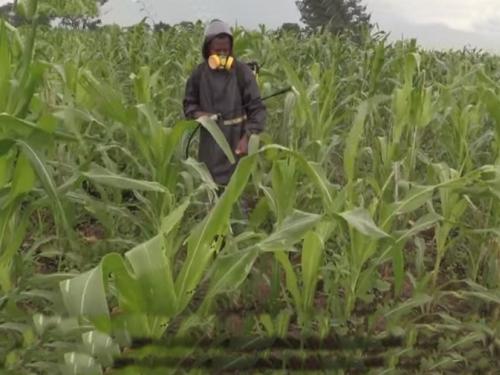
Wadudu hawa wamesambaa kwa sasa kwenye zaidi ya mikoa 15 na wameleta athari kubwa kwa wakulima wa mahindi na sasa mahindi yanapokauka wanakula Pamba, Mihogo na mazao mengine ya biashara na chakula hali ambayo inawafanya wakulima kupata shaka na wasiwasi wa usalama wa chakula.
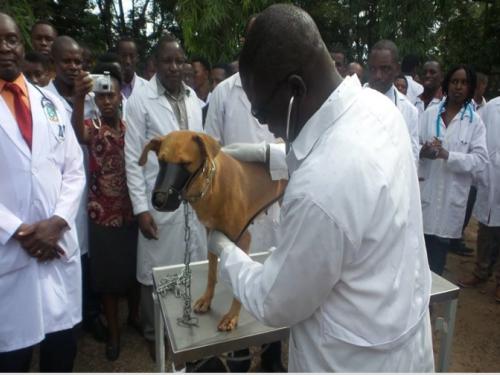 Sokoine University of Agriculture being a special university which offers veterinary and Biomedical Sciences services and Programmes celebrated this special day by giving advice to citizens on various matters related to health and well-being of animals as well as treating all animals brought to the veterinary referral hospital at SUA free of charge.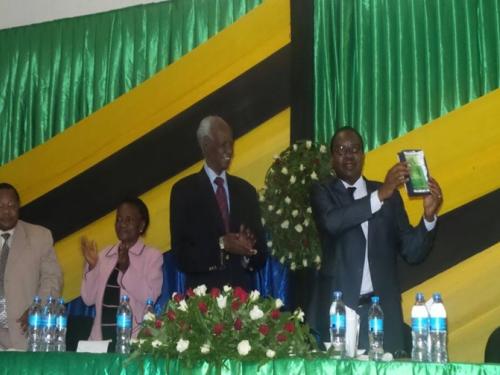
The farewell party which was held in his honor took place in the Sokoine University of Agriculture’s multipurpose hall and was attended by representatives from local government, staff and students, distinguished visitors, and Prof. Monela’s family as well.
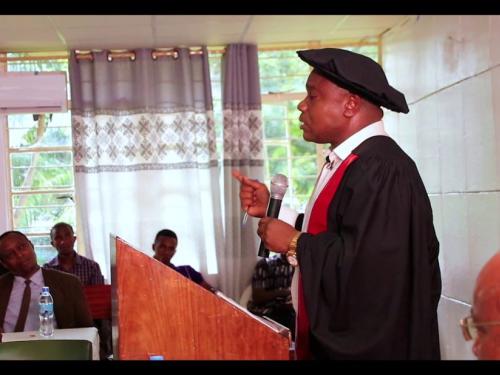 This inaugural lecture highlighted key research findings on fruit flies based on studies conducted at SUA in collaboration with other partners. The information that was generated by years of research is necessary to facilitate fruits trade while minimising the risks of the spread of fruit flies. The lecture showed further that this information is shared through various means including an international training on taxonomy and ecology of fruit flies.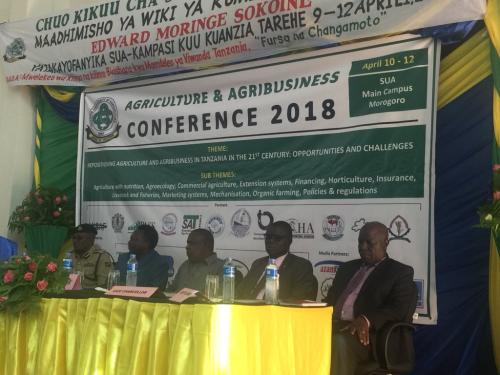
The Sokoine Memorial Week activities includes tree planting, scientific/academic presentation and exhibitions from within and outside SUA and the Agriculture and Agribusiness conference.
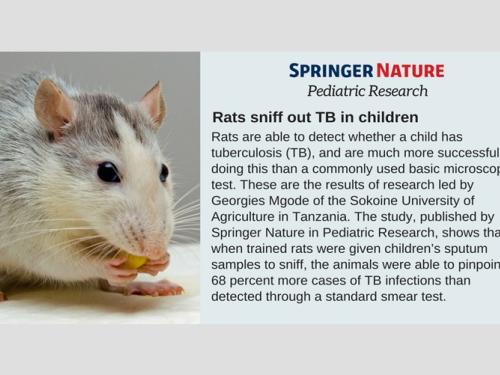
Rats are able to detect whether a child has tuberculosis (TB), and are much more successful at doing this than a commonly used basic microscopy test. These are the results of research led by Georgies Mgode of the Sokoine University of Agriculture in Tanzania.
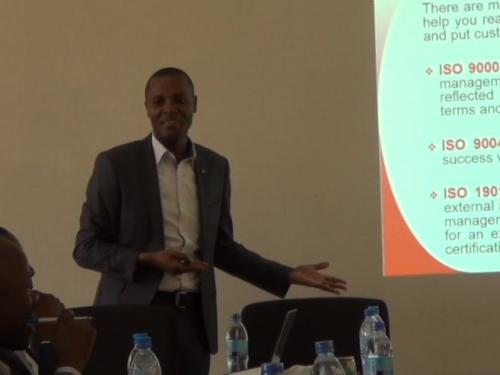 ISO awareness training to SUA top Management held on 26th February 2018 at SUA COUNCIL Chamber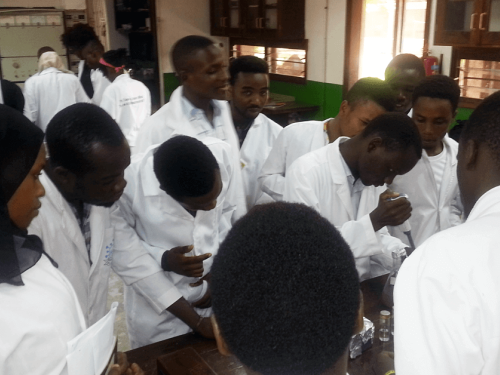
Seeding Labs (a programme which makes affordable, high-quality laboratory equipment available to universities and research institutes in developing countries) announced the 2018 Instrumental Access awardees at its third annual “Positively Instrumental” event held at Takeda Pharmaceuticals in Cambridge, Mass., on March 21.
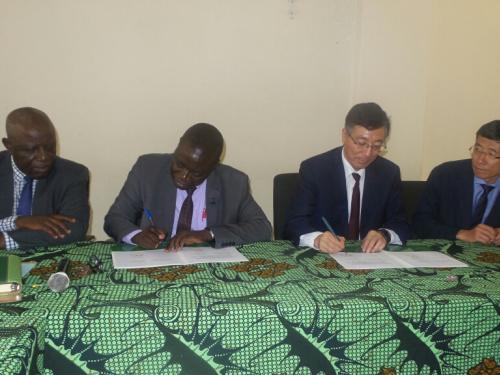
The agreement aims to increase cooperation between the two institutions in areas of mutual interests which includes establishing the joint research centre for agricultural development between China and Tanzania. The MoU will also enable provision of scholarships for SUA academic staff and agricultural students and joint research between professors of the two universities.
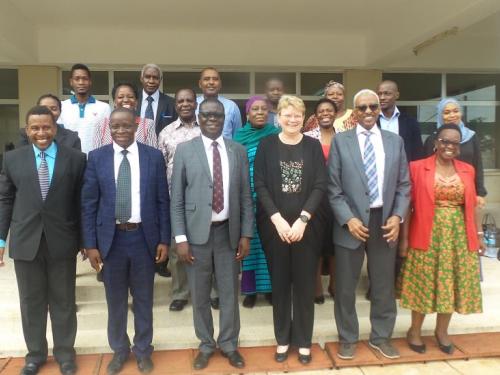 This agreement involves exchanging Organization members and research fellows, joint supervision of student’s research, dissertation and thesis, exchange of academic material, publication and information, conducting joint research projects, establish joint research facilities and also collaborating in resource mobilization for research and education.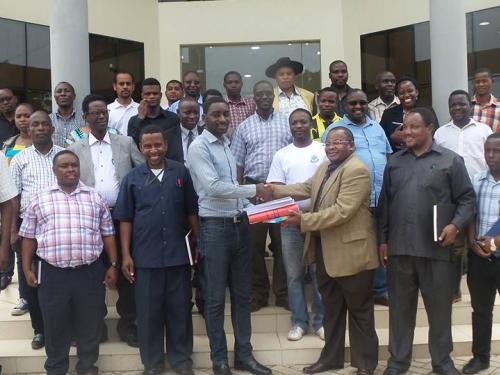
The facility which is located at the Solomon Mahlangu College of Science and Education in Mazimbu Morogoro will enable more than 400 students to perform their scientific experiments and research at the same time using the four existing rooms whereby each room will be used by 100 students. This will improve students’ performance and quality of graduates at large.
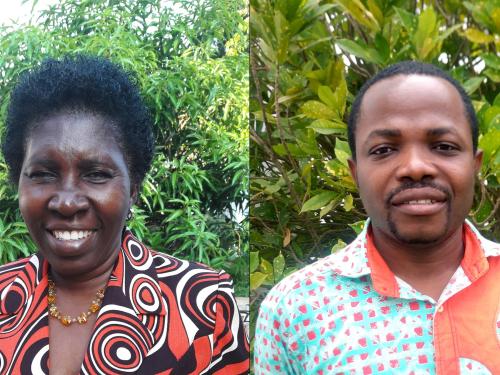 In this interview published by spore Magazine, Prof. Aida Cuthbert Isinika of Sokoine University of Agriculture and Fred Mawunyo Dzanku of University of Ghana discuss the issue of livelihood diversification for smallholder farmers in Africa.
Hon. Mohamed Chande Othman met with students, staff project leaders and other university officials from Colleges, School, Directorates and centers where he received briefings on various achievements and developments made. The highlights of the tour is summarized in the photo story below;
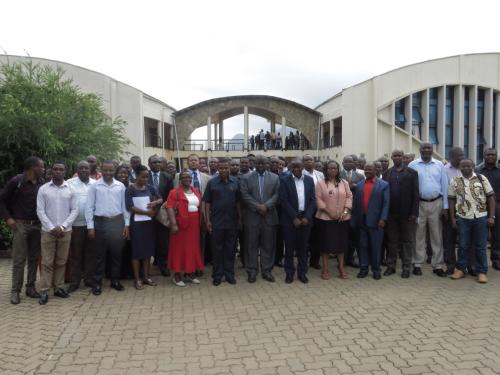
The occasion was graced by the Deputy Vice-chancellor (Academic), Professor Peter R. Gillah, who delivered official opening speech. Professor Gillah was accompanied by an Acting Deputy Vice-Chancellor (Administration and Finance), Professor Engineer F.C.
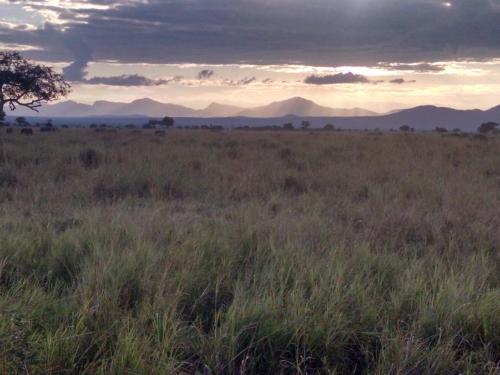
Agriculture in Tanzania is composed mostly of small holder farms, which average about 5 acres in size. Though 90% of Tanzanian livelihoods rely on agriculture, land productivity and soil quality have greatly diminished as a result of substandard agricultural practices and unaffordable fertilizers. As soil quality decreases, so do crop yields, contributing to widespread food insecurity and malnutrition in Tanzania and throughout the greater East Africa region.
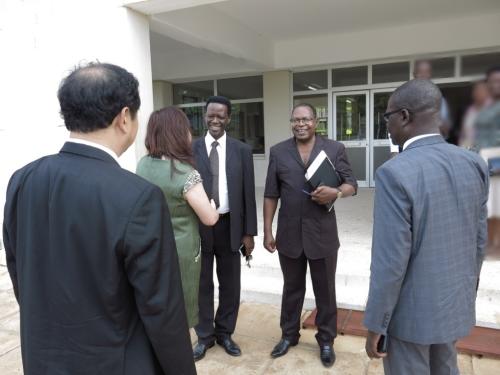 The meeting aimed at identifying areas of collaboration between the two universities for increasing academic excellence and enhancing agricultural development in Tanzania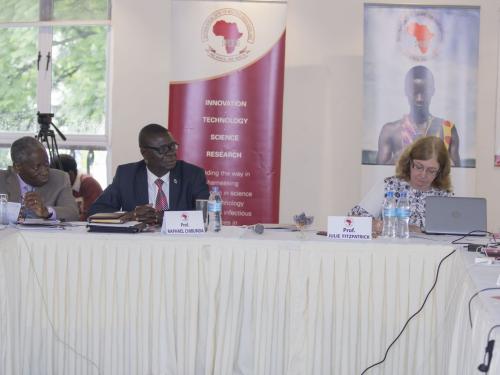
The two days meeting will provide strategic framework for a new SACIDS for the next ten years and will receive and provide guidance for the 2016-2017 progress made by two Africa Centres of Excellence for Infectious Diseases at SUA and UNZA and their Communities of Practices i.e. community-level one health security, viral diseases of food security and livelihoods, emerging and vector-borne diseases and antimicrobial resistance.
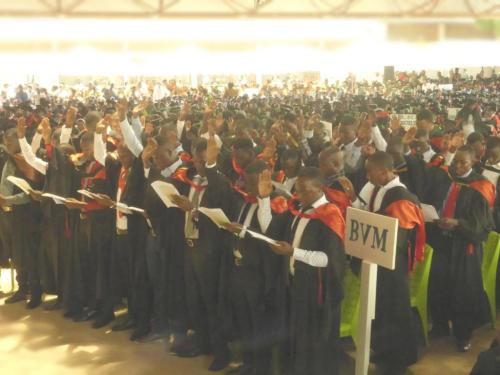 In this year, a total of 2726 students were awarded various degree and non degree qualifications compared to 2406 of last year 2016.
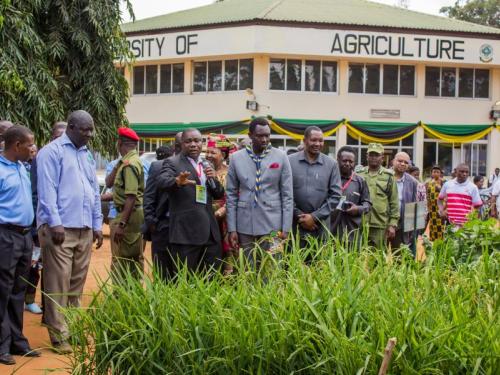 This video highlights the participation and role played by Sokoine University of Agriculture during the annual Eastern Zone Nane Nane Agricultural Exhibitions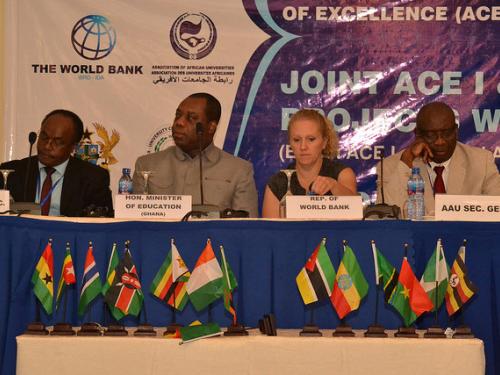
The workshop brings together for the first time all the 46 Africa Higher Education Centres of Excellence for project review and learning from each other’s experiences. The ACE I Project involves 22 Universities from West and Central Africa, and the Regional Facilitating Unit is the Association of African Universities (AAU).
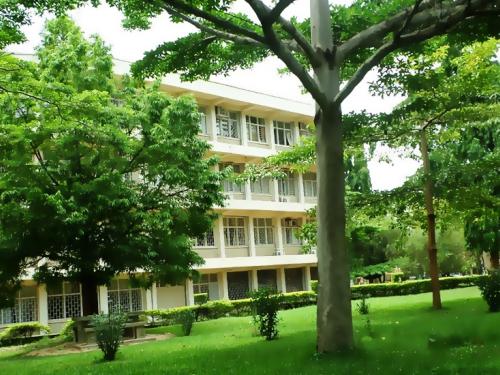 The Directorate of Undergraduate Studies of Sokoine University of Agriculture would like to warmly welcome the newly selected students in various degree and non-degree programs.
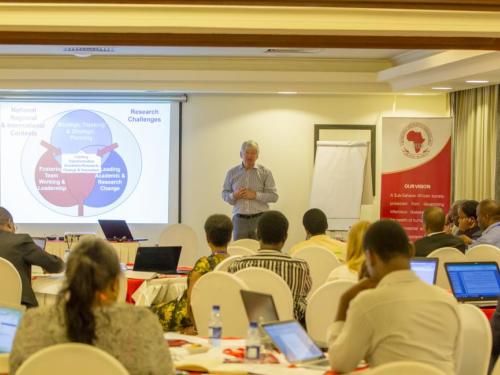 This time, the workshop targets senior leaders in order to transform their leadership skills that encourage diversity, innovation and building the Universities that we want.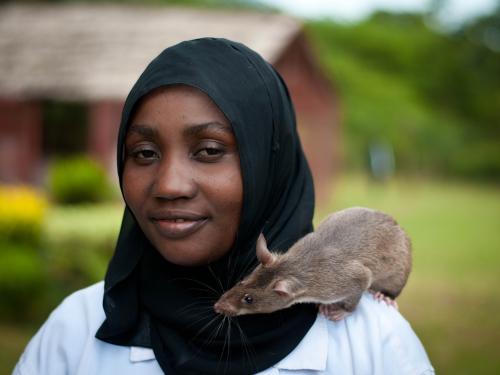
The project started TB screening in 4 hospitals in 2007, the number of collaborating hospitals increased to 28 in 2016. A milestone was reached in September 2017 when this novel diagnostic technology was accepted to be implemented in other 29 TB clinics (17 additional clinics in Dar es Salaam and 12 in Morogoro and Dodoma region).
"Rats have detected to-date, about 10,000 TB patients who were missed in hospitals".
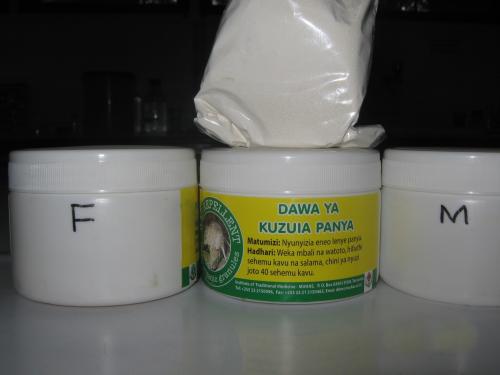
In Tanzania, damage to crops is large attributed to Mastomys natalensis in fields. Currently, reducing the size of rodent pest populations generally relies on lethal control methods, including the use of rodenticides.
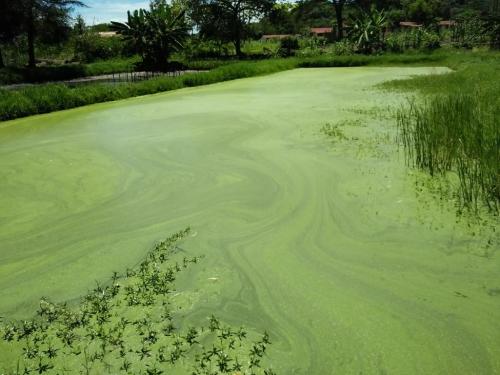
They play several essential roles including proper development of brain and eye as well as beneficial effects in cardiovascular and neurological diseases and some cancers. Human therefore rely on fish and seafood which are rich source in such nutrients. However, intake of these fatty acids in many developing countries including Tanzania is way below the minimum recommended intake daily intake of up to 500 mg. This is partly because most consumed fish such as Nile tilapia in Africa and Carp in India has low content of omega-3.
Over the past few years the population of L. williamsi has undergone a sharp decline. It is estimated that about 15% of the species were illegally collected for pet trade between 2004 and 2009.
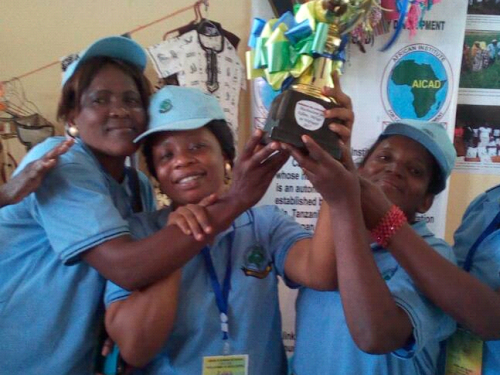
The University exhibited a variety of displays including courses offered, technologies, innovations, prototypes, crop demonstration, printed materials on various topics including books, posters, leaflets, brochures.
SUA won three awards including a trophy for an overall winner, first winner- (SUA-MEDIA), in the media category as well as first Winner in the Research Institution category.